Tuesday, February 17, 2026

Practice and Refinement


                                              Implementation and Modification 


The experimentation phase of my production was essential in refining how psychological tension is visually constructed. Through test shoots, I explored lighting, framing, pacing, and performance to evaluate their emotional impact.

Low-key lighting produced shadow-heavy compositions that enhanced unease without compromising realism. However, I recognised the importance of maintaining naturalistic lighting within the domestic setting to preserve authenticity.

In terms of editing rhythm, longer takes generated greater psychological discomfort than rapid cuts. Sustained framing forces the audience to remain within moments of tension, reinforcing emotional suppression and instability. This deliberate pacing reflects genre conventions of slow-burning suspense.

Close-up shots proved particularly effective in capturing micro-expressions, allowing internal conflict to be conveyed non-verbally. This reinforced my understanding that performance and framing operate collaboratively in constructing meaning.

Through this reflective process, I ensured that every technical decision — from shot duration to lighting contrast — is motivated by narrative and thematic intention. This demonstrates a conscious understanding of how form shapes meaning, elevating my production from stylistic imitation to deliberate cinematic construction.

Codes, Conventions and Iconography

                                   
                                       Aesthetic and Symbolic Framework 


Psychological thrillers frequently rely on symbolic mise-en-scène to externalise internal instability. Visual motifs operate semiotically, functioning on both denotative and connotative levels to communicate meaning without explicit dialogue.

Mirrors are a recurring convention within the genre, often symbolising fractured identity or dual consciousness, as seen in Black Swan. Shadows and low-key lighting obscure parts of the frame, visually representing repression and hidden trauma. Confined domestic spaces frequently become metaphorical prisons, reinforcing themes of entrapment.

In my film opening, mirrors will serve as a visual metaphor for the protagonist’s fragmented self-perception. Door frames and narrow corridors will symbolise restricted agency within the domestic setting. Desaturated colour grading will enhance emotional bleakness, reinforcing psychological isolation.

Crucially, these symbols will not be foregrounded excessively. Instead, they will be embedded subtly within the frame, allowing meaning to emerge through audience interpretation. This ensures the symbolism functions organically rather than appearing contrived.

By integrating genre-specific iconography with narrative intention, my opening maintains authenticity while presenting a thematically cohesive visual language.


                                           Decoding Symbols in “Black Swan” | The ...


                                    Blogging By Cinema-light: Black Swan (2010)

(images found on Google.)

Monday, February 16, 2026

Comparative Analysis Psychological Thriller openings


                   Contrasting the Introductions of Psychological Thrillers 
  

In order to construct a genre-authentic yet original opening, I analysed psychological thriller openings such as Black SwanSe7enJoker, and Prisoners. A consistent structural feature across these texts is restricted narrative information, which creates enigma and aligns with Barthes’ narrative codes.

For instance, Joker establishes psychological fragility through isolation within the frame and muted colour grading, visually encoding alienation. Se7en utilises fragmented editing and disturbing close-ups to create discomfort without revealing explicit narrative context. These techniques demonstrate how psychological tension can be constructed through formal elements rather than plot exposition.

Importantly, these openings resist clear moral binaries. This reflects Levi-Strauss’ theory of binary opposition being destabilised; protagonists are neither entirely victim nor villain, creating moral ambiguity. This complexity intensifies audience engagement.

In my own opening, I will apply similar structural restraint. The domestic environment will initially appear stable (Todorov’s equilibrium), but subtle visual and performative cues will signal disruption. Through framing, blocking, and silence, the emotional abuse will be implied rather than stated, maintaining enigma and reinforcing psychological realism.

This comparative analysis has strengthened my understanding of how cinematic form generates psychological unease.

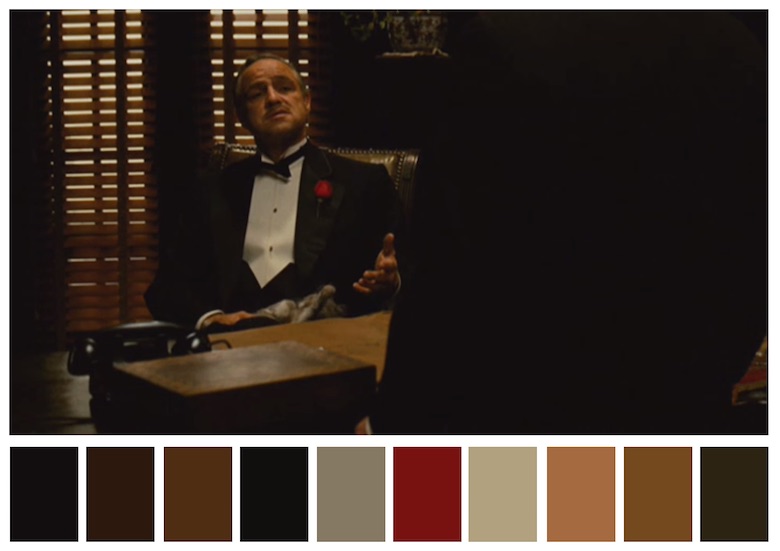
                              Color Palettes From Famous Movies Show How Colors Set The Mood Of A Film

                              Film Color Palettes ...

(images found on Google.)

Audience Research and Reception


                                          Audience Impact and Interpretation 


To ensure my psychological thriller opening engages its intended demographic effectively, I conducted primary audience research targeting individuals aged 15–25. This group reflects the core audience for contemporary psychological thrillers, particularly those addressing themes of identity, mental instability, and domestic conflict.

The findings indicated a clear preference for slow-building tension, narrative ambiguity, and psychologically complex protagonists. Respondents emphasised that excessive exposition reduces engagement, as it limits interpretive involvement. This directly aligns with Stuart Hall’s reception theory, which suggests that audiences actively decode media texts rather than passively consume them.

As a result, I will implement restricted narration in my opening, allowing meaning to emerge gradually through mise-en-scène, framing, and performance. Rather than explicitly presenting emotional abuse, I will imply it through subtle power dynamics and silence. This encourages negotiated readings and positions the audience as active interpreters.

Participants also identified sound design as central to emotional impact. Minimalistic, diegetic sound and controlled silence were described as more unsettling than dramatic non-diegetic music. Consequently, my production will prioritise ambient sound and restrained audio layering to construct psychological tension organically.

Overall, this research has not simply confirmed my concept but refined it — ensuring that my creative decisions are informed by audience expectation while maintaining artistic control.red


Media Language :Constructing psychological Meaning


                      How Media Language Shapes Psychological Meaning 


In my film opening, media language will function as the primary method of constructing meaning.

Close-ups and extreme close-ups will emphasise micro-expressions, reinforcing internal conflict and emotional suppression. This aligns the audience with the protagonist’s psychological state and encourages identification.

High-angle shots will visually encode vulnerability, while low-angle shots will symbolise parental dominance. This reflects structuralist ideas of binary opposition, particularly power versus powerlessness.

Camera movement will be deliberately controlled. Slow tracking shots will build anticipation, while moments of handheld instability may reflect emotional distress. Static framing within confined domestic spaces will symbolise entrapment and lack of agency.

Through these deliberate choices, I aim to ensure that visual form communicates psychological meaning without reliance on exposition.


                                      5 Go-To Portrait Lighting Patterns for ...

(image found on Google.)


Genre Conventions & Narrative Theory

                                        Genre Rules & Storytelling Theory


The psychological thriller genre centres on mental instability, paranoia, trauma, and moral ambiguity. Instead of relying on physical action, it builds tension through internal conflict, making the mind itself the source of danger. This creates a more intimate and unsettling experience for the audience.

Key conventions help shape this atmosphere. Restricted narration limits what we know, often aligning us with an unreliable protagonist and creating uncertainty. Slow pacing and controlled editing allow tension to develop gradually. Low-key lighting and desaturated colours reinforce isolation and unease, while subtle sound design—such as silence or distorted audio—intensifies discomfort.

Applying Tzvetan Todorov’s narrative theory, psychological thrillers often begin with an apparent equilibrium. Although everything seems normal at first, small disruptions hint that something is wrong, building unease before the main conflict is revealed.

I plan to structure my opening in this way, presenting an ordinary domestic setting before gradually exposing signs of emotional dysfunction through performance, mise-en-scène, and sound. By grounding my production decisions in theory, I can ensure that choices around pacing, cinematography, and audio deliberately contribute to psychological tension rather than relying purely on intuition.


                                  10 psychological thrillers to watch if you enjoy mind-bending plot twists -  Culture - Images


                             Intensity (1997) Intensity is a 1997 American television psychological  thriller film directed by Yves Simoneau, and starring John C. McGinley,  Molly Parker, Piper Laurie, and Tori Paul. A woman spending Thanksgiving at 

(images found from Google.)


Friday, February 13, 2026

Representation of Parental Authority and Emotional Abuse

                                    Portrayal of coercive parental control                                         


A key thematic focus of my film opening is the representation of emotionally abusive parental authority. In psychological thrillers such as Black Swan and Hereditary, parental figures are constructed through subtle yet powerful media language choices that communicate dominance and control.

Low-angle shots and central framing frequently position the parent as authoritative, while high-angle shots and spatial confinement are used to visually diminish the child. This use of visual hierarchy reflects broader ideological themes of power imbalance within domestic spaces.

Importantly, these texts avoid sensationalism. Emotional abuse is communicated through tone, silence, and mise-en-scène rather than overt violence. This subtlety enhances realism and psychological impact.

In my own production, I will construct the parent figure through framing, blocking, and performance rather than explicit aggression. By doing so, I aim to represent emotional abuse as psychologically damaging and socially relevant, aligning with contemporary discussions surrounding mental health and domestic power structures.

Wednesday, February 11, 2026

Inspiration Analysis: Death Note and Psychological Subjectivity:

                                                       Creative Influence 


One of my primary inspirations is Death Note, a text that strongly exemplifies psychological thriller conventions through its exploration of morality, power, and mental deterioration. Although the series incorporates supernatural elements, its core narrative tension derives from psychological conflict rather than physical threat.

A significant technique used in Death Note is subjective narration. Through internal monologue and intense close-up framing, the audience is aligned with the protagonist’s perspective. This creates a complex audience relationship in which viewers may sympathise with, yet simultaneously question, the character’s actions. The moral ambiguity presented reflects the idea that psychological thrillers often destabilise clear distinctions between protagonist and antagonist.

The use of chiaroscuro lighting and shadow enhances themes of isolation and internal corruption. This visual style reinforces the character’s gradual psychological decline.

This research has directly influenced my production planning. I intend to employ close framing, restricted narration, and controlled lighting to immerse the audience within the protagonist’s psychological experience. By prioritising internal conflict over action, I aim to replicate the tension created through subjectivity in Death Note.

(Refined with AI.)


Project Overview & Creative Intent


                                                                   Project Outline

For my AS Media coursework, I am producing the opening sequence of a psychological thriller film centred on the psychological consequences of emotional abuse within a domestic environment. My narrative focuses on a teenager experiencing controlling and manipulative behaviour from a parental figure. Rather than portraying explicit violence, the opening will emphasise psychological tension, atmosphere, and internal conflict.

The intention of my opening is to establish enigma and position the audience within the protagonist’s subjective perspective. By restricting information and focusing on subtle visual cues, I aim to create narrative intrigue consistent with Barthes’ theory of enigma codes. The audience will be encouraged to question the protagonist’s reliability and mental stability, which is central to the psychological thriller genre.

Through detailed research into genre conventions, representation, and audience expectations, I aim to construct an opening that is both genre-authentic and conceptually sophisticated.


                                    Furry Parents Fighting - NamuWiki

(image found from Google.)

Final Pre-Production Reflection

                                                                                                                        Development Review  ...